Home / Sectors
The same method, six very different sets of expectations.
A boatyard cares about grit in the water. A conservation officer cares about tooling marks. A production manager cares about downtime. The parameters change accordingly.
Sector 01
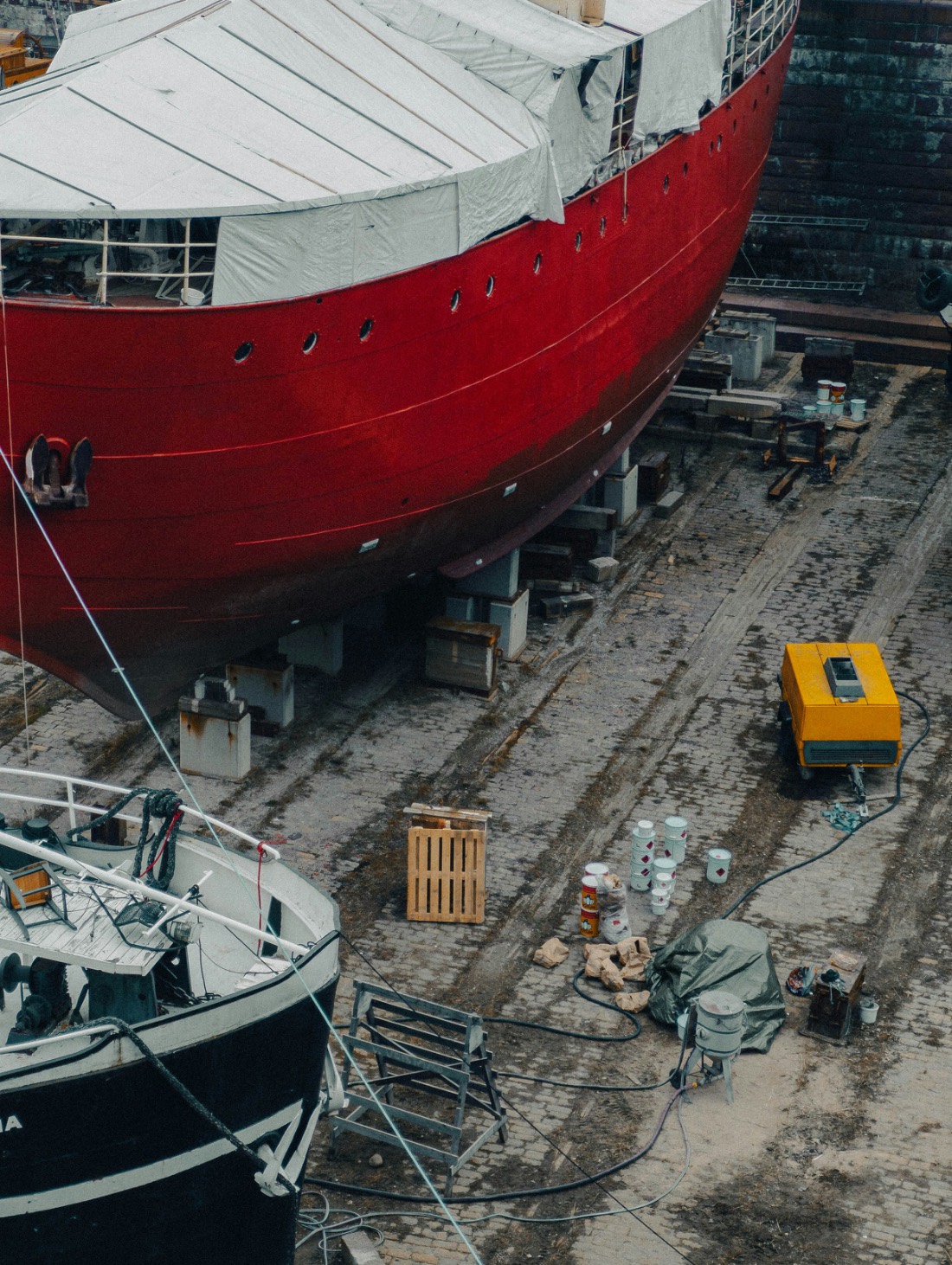
Marine
Corrosion and coating failure dealt with in the yard without a grain of grit reaching the water or the boat next door.
Work is on metal only — we do not laser gel coat. On steel and alloy vessels the laser clears pitting and weld corrosion ready for immediate priming, and it is equally at home on sterngear, davits, winches and rails.
- Steel and alloy hull coating removal
- Hull, keel and sterngear corrosion
- Alloy mast and spar coating removal
- Steel vessel plate and weld cleaning
Sector 02
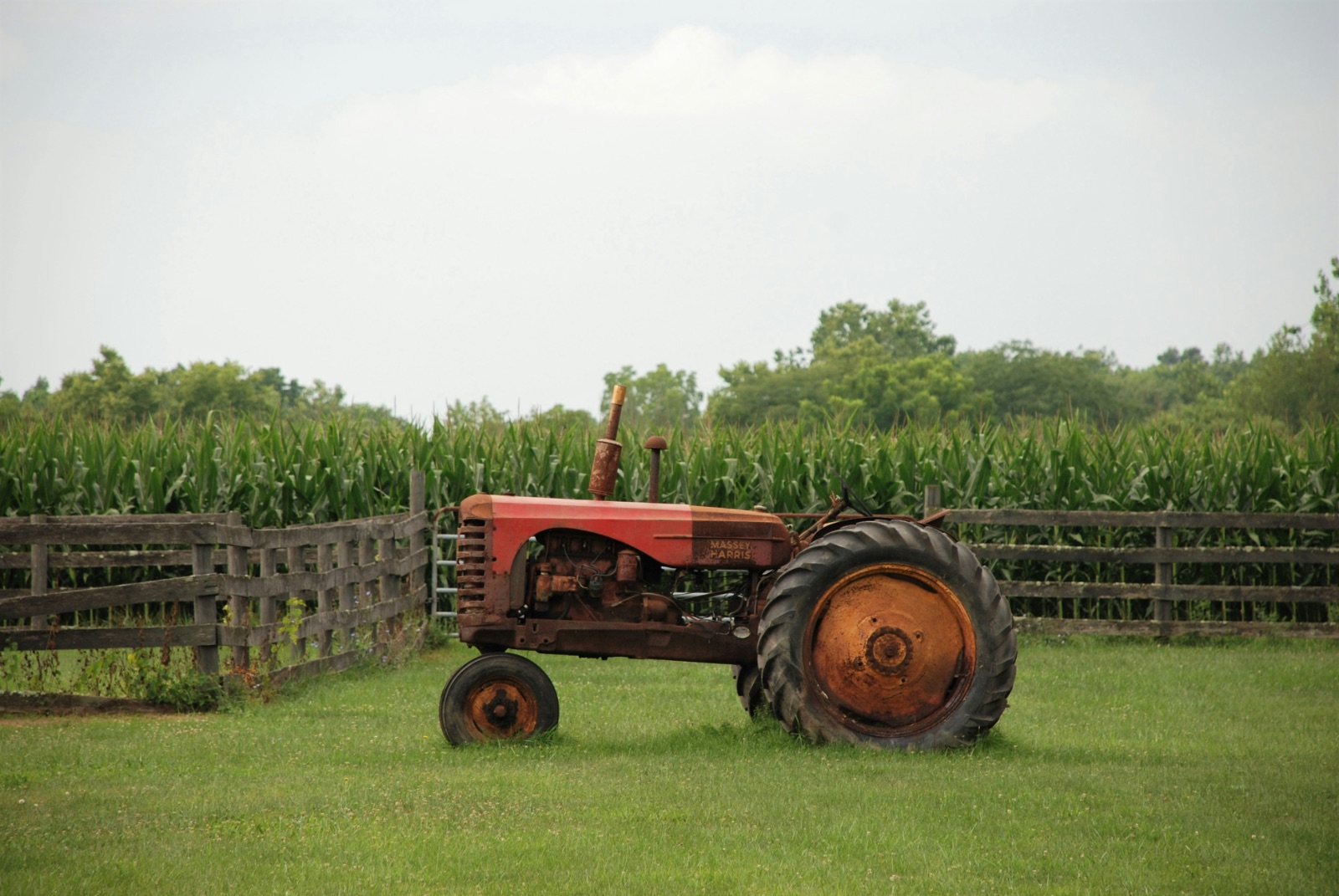
Agriculture & farm machinery
Forty years of paint, filler, slurry and rust off tractors, implements and parlour plant — ready for repair, resale or a proper repaint.
Thin pressed panel is the difficulty on older machines: grit blasting distorts it and chemical stripping gets into every seam. With settings tested on each machine, the laser keeps heat input low and reaches the box sections and lattice work where corrosion actually starts.
- Vintage and working tractor restoration
- Implements, trailers and yard plant
- Milking parlour and feed equipment
- On-farm work — we bring the rig to you
Sector 03
Classic & performance cars
Paint and rust removal, tested on each panel, to protect original steel, factory seams, lead loading and spot-weld detail.
For a restorer the first step usually decides the budget for the last one. Because the laser removes coating without abrading the panel, what is revealed is the true condition of the metal — pinholes, previous repairs and filler all visible, with no media trapped in the seams to bleed out later.
- Full or panel-by-panel paint removal
- Underside, chassis and bulkhead corrosion
- Chrome, brass and alloy trim
- Engine bay and casting degreasing

Sector 04
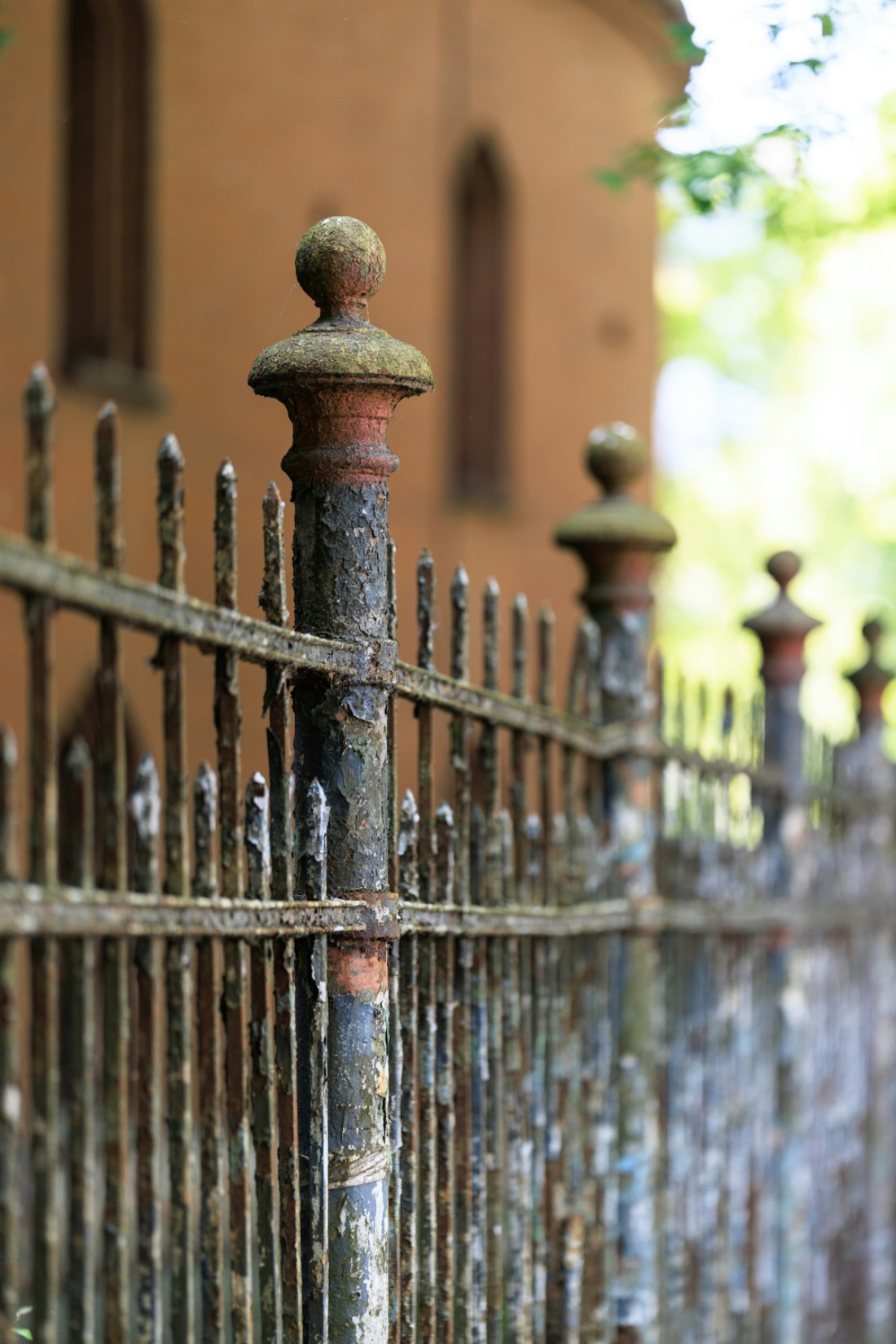
Heritage & conservation
Minimal-intervention cleaning of stone, ironwork, monuments and listed structures, with the evidence to satisfy consent.
Every heritage job starts with test panels at recorded settings, photographed before and after, so a conservation officer can see exactly what the process does before it is approved at scale. No water, no abrasive, no chemical residue left in the fabric.
- Stone and monument cleaning
- Historic ironwork and railings
- Lead paint removal under extraction
- Church, harbour and civic structures
Sector 05
Commercial property
Graffiti, soiling and failed coatings removed from shopfronts, signage, brickwork and render — usually outside trading hours.
Graffiti on porous masonry is the classic problem: pressure washing drives it in and chemicals leave a shadow. Laser removal works on the paint itself, so after a test area to confirm settings, the wall can be returned to an even finish rather than a cleaned patch.
- Graffiti and tag removal
- Shopfront, signage and metalwork
- Brick, render and concrete soiling
- Out-of-hours and overnight work

Sector 06
Manufacturing & industrial
Weld preparation, mould and tooling cleaning, and contract plant cleaning that does not need the line stripped down.
Dry, non-contact cleaning in situ means shorter changeovers and no solvent handling on the shop floor. For food and pharmaceutical environments, the absence of water and media is usually the deciding factor.
- Mould and tooling between runs
- Pre- and post-weld cleaning
- Production line and conveyor cleaning
- Planned shutdown and turnaround work

Something else
Working in another sector?
Whatever your industry, what matters is the surface and the material to be removed. Send us a photograph and we will advise on the best approach and provide a clear quote.