Home / Services
Precision laser cleaning across seven specialist services.
Every service below is the same physics applied at different settings. The variables are pulse energy, frequency, spot size and traverse speed — and the correct combination is established on a test patch before work begins.
Steel, stainless, cast iron, aluminium, brass, bronze, stone, brick, concrete, some hardwoods.
Rust, mill scale, oxide, paint, powder coat, primer, lacquer, oil, grease, carbon, soot, release agent, biofilm, graffiti.
Dry, clean, coating-ready surface. No media residue, no moisture, and minimal material loss when parameters are correctly set.
Fine particulate and fume, captured at source by HEPA-filtered extraction. Collected waste and used filters are disposed of according to what was removed.
Service 01
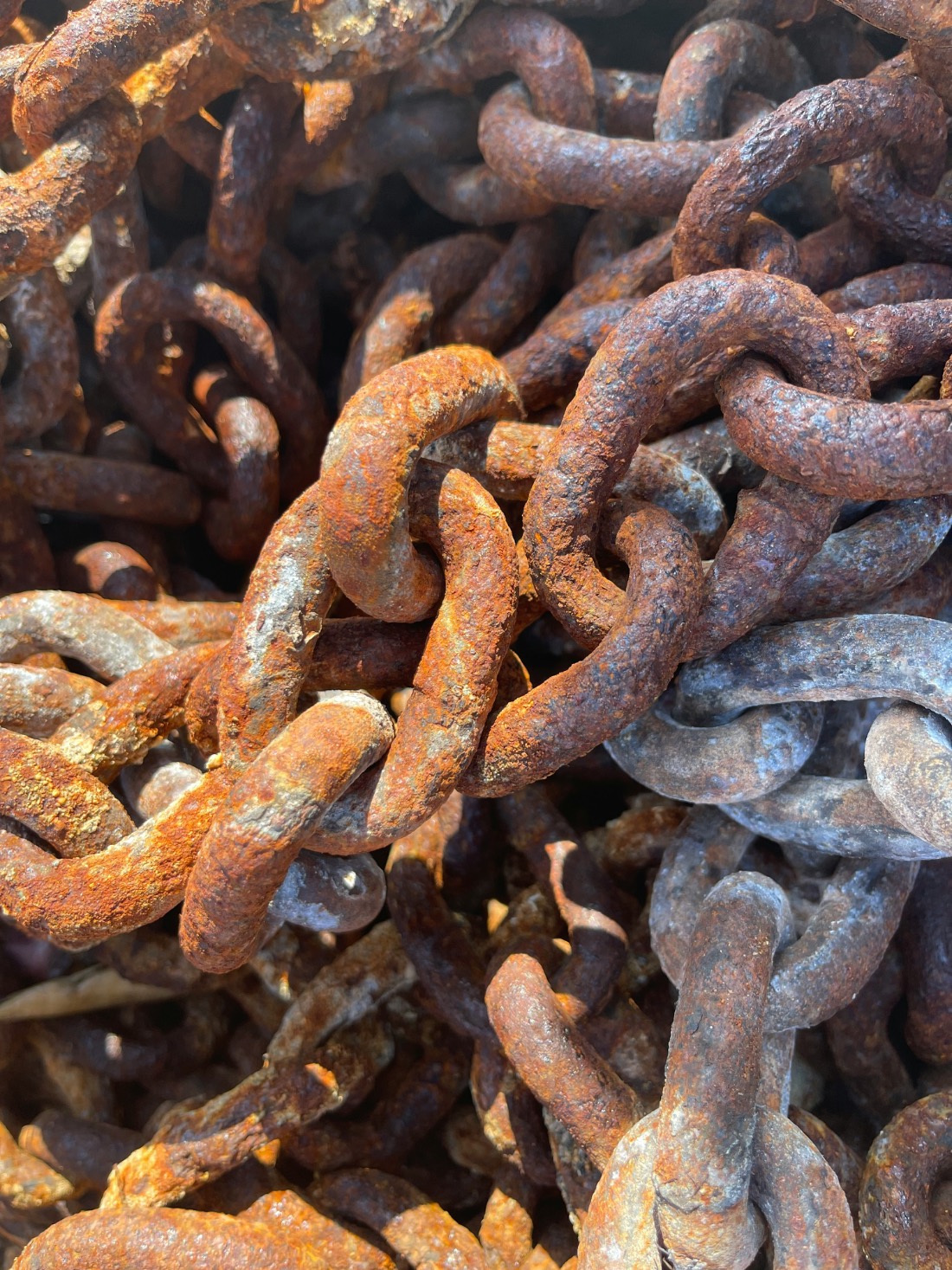
Rust removal
Corrosion absorbs laser energy readily; clean steel underneath reflects most of it. With correctly tested settings, that difference lets the beam clear flash rust, heavy scale and deep pitting with minimal effect on the parent metal and edges.
Because the process is non-contact it reaches into pitting and weld toes that a grit nozzle or flap disc skips over, and low-energy settings, confirmed on a test area, keep heat input low on thin pressed panel to minimise the risk of distortion. Cleaned steel can be primed or passivated the same day.
- Flash rust and surface bloom on new fabrication
- Heavy pitted corrosion on plant, chassis and marine steelwork
- Mill scale removal before painting or welding
- Cast iron cleaned at settings tested to protect the surface
Service 02
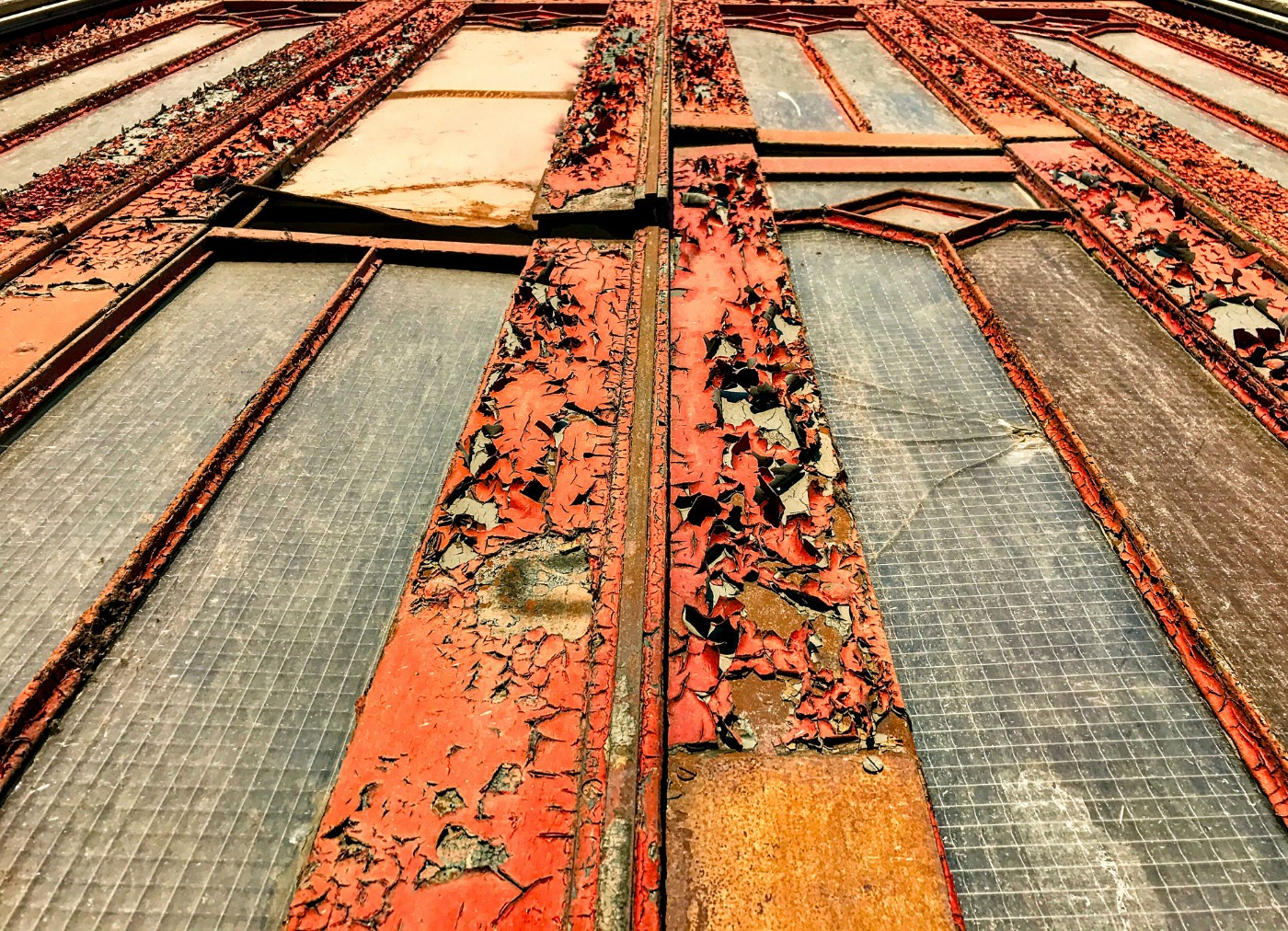
Coating and paint removal
Selective stripping is where laser cleaning is hard to beat. Layers come off one at a time, so a topcoat can be lifted while the primer stays, or the whole stack can be taken back to bare substrate.
No solvent and no dwell time, with minimal masking of adjacent trim in most cases. Lead-based and other hazardous coatings are removed under extraction, which keeps the debris contained rather than airborne.
- Powder coat and two-pack off alloy and steel
- Layer-selective stripping for conservation work
- Lead paint removal with capture at source
Service 03
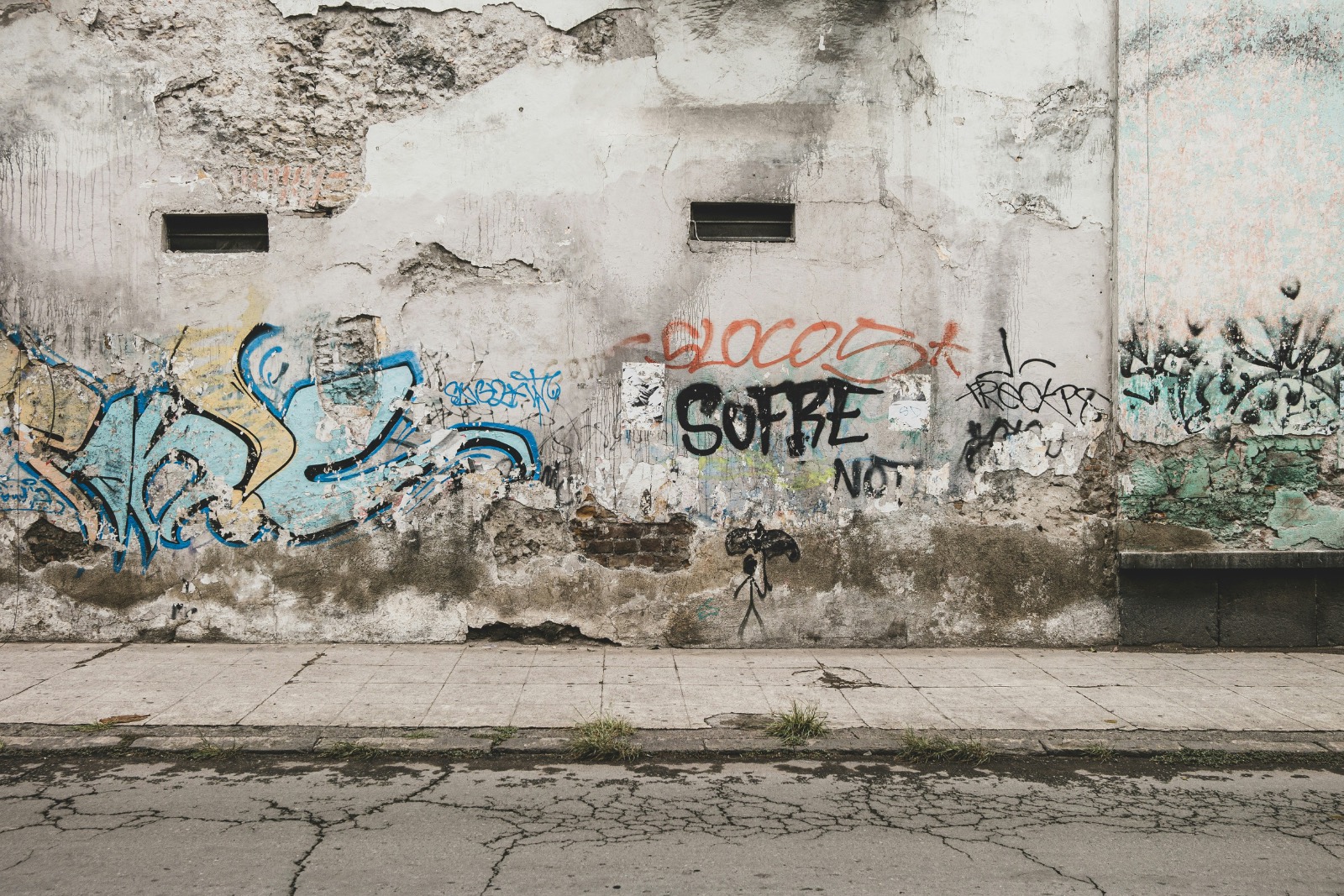
Graffiti removal
Spray paint is removed from brick, stone, render, signage and street furniture by tuning the beam to the paint rather than to the surface beneath. No water and no chemical poultice, and a test area first to confirm the finish and minimise any shadow where the tag was.
There is no saturation of the wall, which reduces the risk of driving salts further in. Work on listed and graded structures is always preceded by a documented test panel for the conservation officer.
- Graffiti on brick, render, stone and signage
- Soiling and sulphation crust on limestone and granite
- Lichen, algae and biological growth
- Recorded test panels for listed consent
Service 04
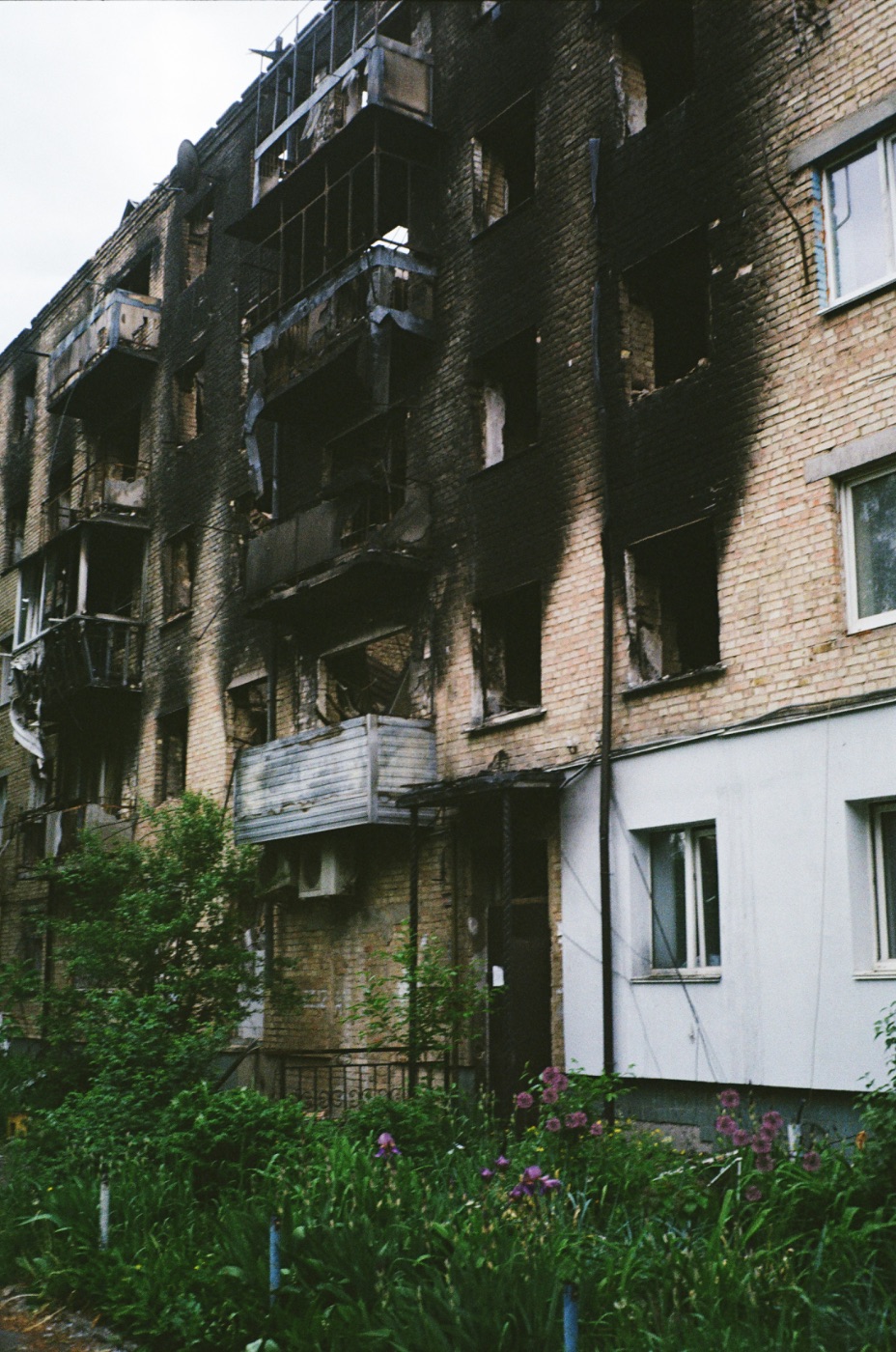
Smoke damage
Soot, carbon and smoke staining removed from structural steel, masonry, brick and exposed timber after a fire. The deposit absorbs the pulse and lifts away, with settings tested first to protect the material beneath.
Dry removal avoids the water and chemical residue that complicate a wet clean on a fire-damaged building, and particulate is captured at the head. Test areas are completed first so insurers and loss adjusters can see the achievable finish before a programme is agreed.
- Structural steel and roof members
- Brick, stone and render
- Exposed timber and beams
- Documented test areas for insurers and adjusters
Service 05
Precision equipment cleaning
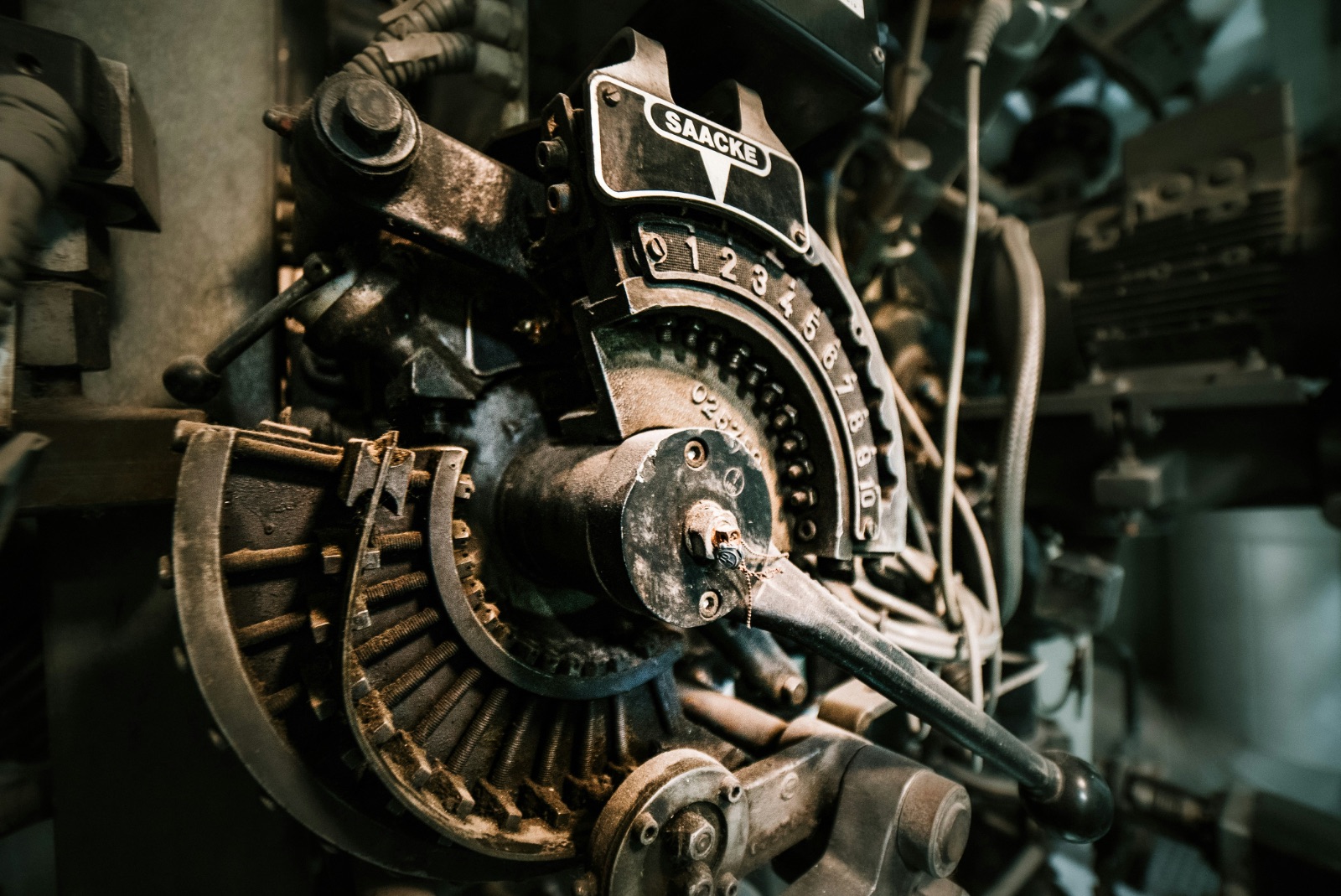
Machinery, tooling and instrumentation cleaned in place, dry, and generally without disassembly. The beam acts only where it is aimed, so seals, wiring, bearings and machined faces nearby can be protected with careful setup and masking where needed.
No solvents, no water and no blast media greatly reduces the risk of ingress and the clean-up afterwards. Most work fits inside a planned shutdown window and the equipment is handed straight back.
- Production tooling, jigs and fixtures
- Extraction hoods, ovens and food-industry plant
- Engine, gearbox and axle casings
- Cleaning in place, without strip-down
Service 06
Injection mould cleaning
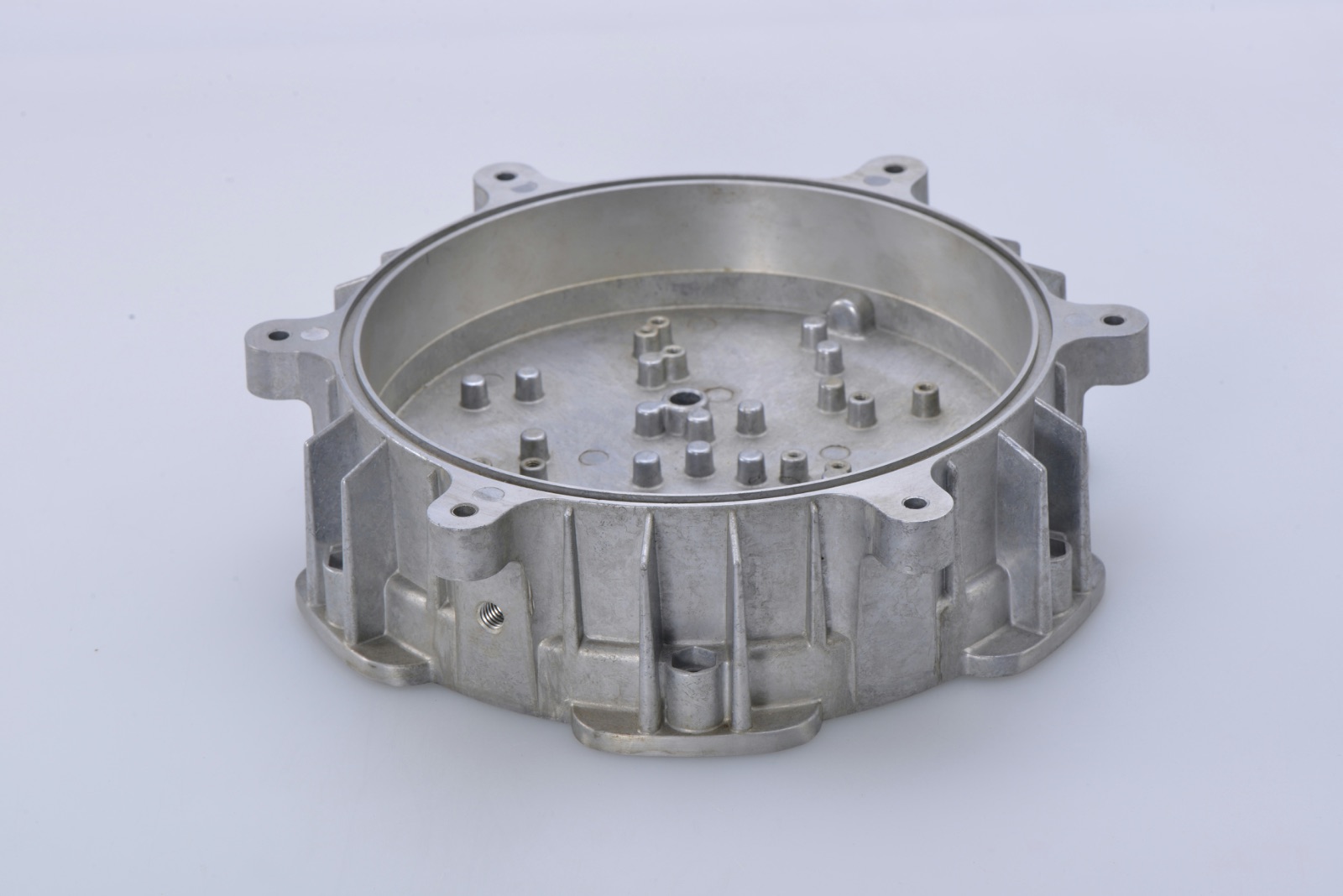
Release agent, resin residue, gassing deposits and carbon build-up removed from tool faces, vents and cavities without abrasives, polishing compound or bead blasting.
With correctly tested settings, surface finish, vent depth and dimensional tolerance are protected, which is the main reason to use a laser rather than a bead. Where access allows, the tool can be cleaned in the press, avoiding a removal and refit cycle.
- Cavity, core and parting line cleaning
- Vent and gate deposit removal
- Polished and textured tool faces
- In-press cleaning where access allows
Service 07
NDT surface preparation
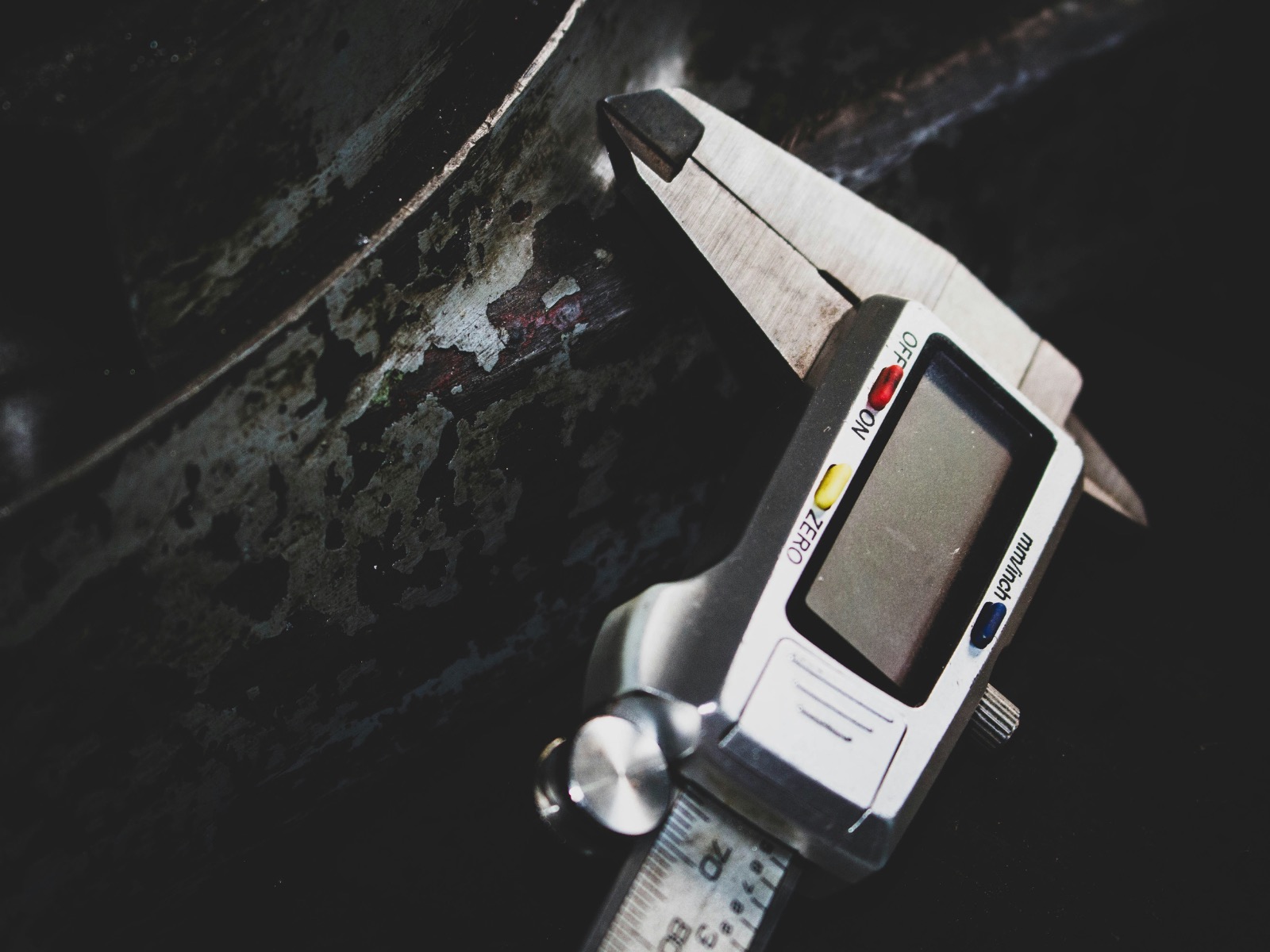
Magnetic particle, dye penetrant and ultrasonic inspection all depend on the surface being clean and unaltered. The laser removes paint, scale, oxide and oil from the inspection area without abrasive impact, using settings chosen to avoid altering surface-breaking defects.
Abrasive preparation can peen material across a crack and conceal it. Non-contact removal greatly reduces that risk, and the prepared area is dry and ready for the inspection technician immediately.
- Weld and heat-affected zone preparation before MPI or DPI
- Coating removal over defined inspection zones
- No peening, smearing or media embedment
- Removal of penetrant and ink residue after inspection
Safety
Class 4 laser, properly controlled.
A temporary controlled area is set up around the work with barriers, signage and screening before the laser is keyed on.
Work is carried out under a nominated Laser Safety Officer, with a written risk assessment and method statement for every site.
Fume and particulate are captured at the head by HEPA-filtered extraction, which matters most on lead and antifoul work.
Insurance, RAMS and equipment documentation available on request before any site visit.
Next step
Not sure which service you need?
Share a few details or photographs of the item. We will recommend the best approach, explain the finish you can expect and send you a clear quote.